Devices and Tools
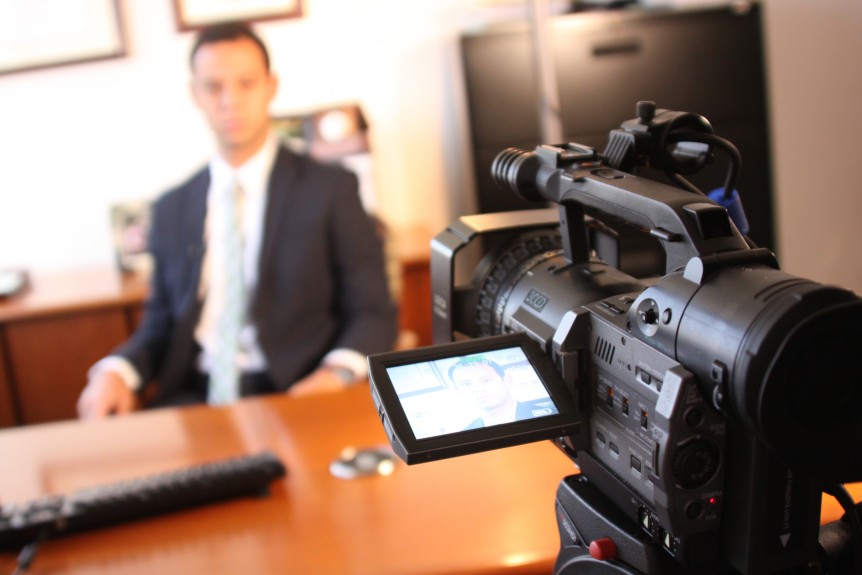
Quality legal video production depends heavily on specific equipment and devices made to record, edit, and deliver clear and reliable visual proof. Crucial parts consist of high-definition cameras that ensure crisp image quality, along with microphones that capture sound with clarity, minimizing history noise. Tripods and stabilization systems boost the steadiness of footage, significant for keeping customer focus. Lights tools is likewise important, as it assists illuminate subjects successfully, lowering shadows and boosting exposure. Additionally, mobile recording tools are commonly utilized for depositions and meetings, assuring versatility in numerous setups. Inevitably, the right mix of these devices not only helps with precise documents but likewise sustains convincing discussions in the court room, reinforcing the integrity of the legal procedure.
Video Editing Techniques
Effective legal video production prolongs past catching top notch footage; it likewise includes innovative editing and enhancing methods that boost the discussion of aesthetic proof. One crucial technique includes the cautious choice of pertinent clips that best support the situation narrative. Editors commonly use changes, such as fades and cuts, to keep customer engagement while making sure a sensible circulation of information. Color improvement and sound harmonizing are important for clearness, allowing jurors to concentrate on the web content without diversions. In addition, text overlays can emphasize crucial points or offer context, making intricate info much more easily accessible. expert legal video. By using these editing techniques, legal video experts produce engaging aesthetic help that efficiently share the significance of the case, inevitably offering to reinforce the arguments offered in the courtroom
Presentation Formats Explained
While different discussion styles exist, each serves a distinctive function in the domain name of legal video production. Usual layouts consist of depositions, test discussions, and video displays. Depositions commonly catch witness testimonies, ensuring a trusted record for future reference. Test presentations use modified video sectors to succinctly communicate crucial points, usually boosted with graphics and comments for clearness. Video clip exhibits work as visual help, supplying jurors with context and enhancing vital arguments. Each layout depends on sophisticated technology, consisting of high-quality video cameras and editing software program, to assure quality and professionalism and reliability. By selecting the proper format, legal teams can efficiently communicate their narrative, facilitating a more interesting court experience that supports their situation goals.
Best Practices for Capturing Legal Video
Capturing high-grade legal video needs careful consideration of tools option and arrangement, making sure perfect lights and sound top quality. Reliable editing and enhancing and post-production techniques additionally play an important duty in offering the end product plainly and skillfully. These best practices are important for preserving the honesty and performance of legal video documentation.
Tools Selection and Setup
Selecting the right devices for legal video production is important for making certain high-grade video that satisfies legal criteria. Specialists typically opt for high-def cameras efficient in capturing clear, in-depth pictures. Tripods are vital for stability, staying clear of unstable video that can undermine the presentation. In addition, utilizing multiple electronic camera angles can boost the narrative by providing different viewpoints. It is likewise a good idea to have backup recording gadgets to stop data loss. Storage options have to be reputable and sufficient to suit big video documents. When choosing devices, portability is necessary, as legal settings can vary in dimension and area. Lastly, video codecs need to be suitable with editing and enhancing software program to facilitate seamless post-production procedures.
Lights and Noise Quality
Effective lights and sound quality are crucial components in the production of legal video, as they substantially influence the clarity and professionalism of the final item. To attain suitable lights, it is crucial to utilize soft, diffused light resources that decrease severe darkness and prevent glow. Placement lights tactically to illuminate topics equally, making certain all faces and information show up. Concerning audio, making use of high-grade microphones is essential; lavalier mics are frequently chosen for their capacity to capture discussion clearly while minimizing background sound. Furthermore, monitoring ambient sound levels throughout recording can aid preserve audio consistency. By sticking to these ideal methods, attorneys can boost the performance of their video presentations, guaranteeing they convey the desired message with accuracy.
Editing and Post-Production Techniques
After assuring optimal lights and audio top quality, the next phase in generating legal video includes thorough editing and post-production strategies. This phase is important for improving the clarity and expertise of the end product. It typically includes reducing unneeded video footage, fixing color disparities, and readjusting audio degrees to assure crisp sound quality. Including graphics, such as titles or comments, can aid highlight bottom lines and offer context. Furthermore, smooth shifts between segments add to a systematic story circulation. Legal video editors have to additionally bear in mind conformity Get More Information with legal requirements and privacy factors to consider, guaranteeing that delicate details is taken care of properly. Inevitably, efficient modifying and post-production elevate the quality of legal discussions, making them a lot more impactful in the court.
Incorporating Legal Video Into Test Strategy
Integrating legal video right into trial technique can greatly improve the presentation of evidence and narratives in the courtroom. By efficiently making use of video, lawyers can provide visual context that reinforces their arguments and assists jurors realize complicated information much more readily. Legal videos can include witness testimonies, reenactments, or aesthetic proof that sustains the instance, developing an reference engaging narrative that reverberates with the target market.
Incorporating legal video permits for tactical pacing throughout a trial. Lawyers can select when to provide video evidence to optimize its impact, aiding to keep juror interaction and focus. In addition, the use of legal video can assist in clear communication of bottom lines, making certain that vital aspects of the situation are not ignored. Overall, including video components attentively into test strategy can substantially influence the jury's understanding and understanding, potentially swaying the result for the presenting celebration.
Enhancing Jury Engagement With Legal Video
Jurors usually face info overload throughout tests, enhancing their interaction via legal video can significantly improve their focus and understanding. Legal video works as a vibrant tool that transforms intricate information into absorbable visual stories. By incorporating video presentations, lawyers can effectively show key evidence, witness statements, and instance timelines, making the web content more relatable and simpler to understand.
Aesthetic elements capture jurors' interest, enabling them to soak up details better than with verbal explanations alone. In addition, using top quality legal video can evoke psychological feedbacks, cultivating a much deeper connection to the instance. This emotional interaction can especially affect jurors' understandings and decision-making procedures.
Inevitably, legal video not just makes clear intricate details but additionally strengthens the overarching themes of a test, ensuring that jurors remain engaged and educated throughout the proceedings. Therefore, it becomes a vital asset in contemporary court room presentations.
Case Studies: Effective Use of Legal Video in Trials
As lawyers progressively recognize the influence of visual storytelling, countless case research studies highlight the effective application of legal video in trials. One significant situation included an injury claim where video depositions of witnesses significantly enhanced the court's understanding of the case. The vibrant imagery and psychological statements developed a compelling story that influenced the jurors' click this site understandings.
In another instance, a criminal test utilized monitoring video footage to rebuild the occasions leading up to a burglary (expert legal video). The video proof clarified disparities in witness statements, eventually guiding the jury's choice towards a sentence
A corporate litigation instance showcased the critical usage of animations to discuss complicated monetary deals, allowing jurors to grasp complex details effortlessly. These instances highlight exactly how legal video not just aids in providing proof yet likewise improves total engagement, causing extra notified court considerations and outcomes in different legal contexts.
Regularly Asked Questions
Exactly How Is Legal Video Different From Conventional Video Recording?
Legal video differs from standard video recording in its objective and adherence to details legal requirements. It concentrates on quality, detail, and appropriate documents, guaranteeing that the footage appropriates for use in legal process.
What Are the Prices Associated With Legal Video Production?
The expenses related to legal video production vary widely, influenced by elements such as devices high quality, editing intricacy, and the production group's experience. Additional expenditures might consist of place fees and post-production solutions for ideal presentation.
Can Legal Video Be Used in Appellate Courts?
Legal video can be utilized in appellate courts, primarily as a device for showing trial proceedings. Its admissibility depends on administrative regulations and whether it offers to make clear the record or procedural problems.
What Are the Legal Requirements for Making Use Of Video in Court?

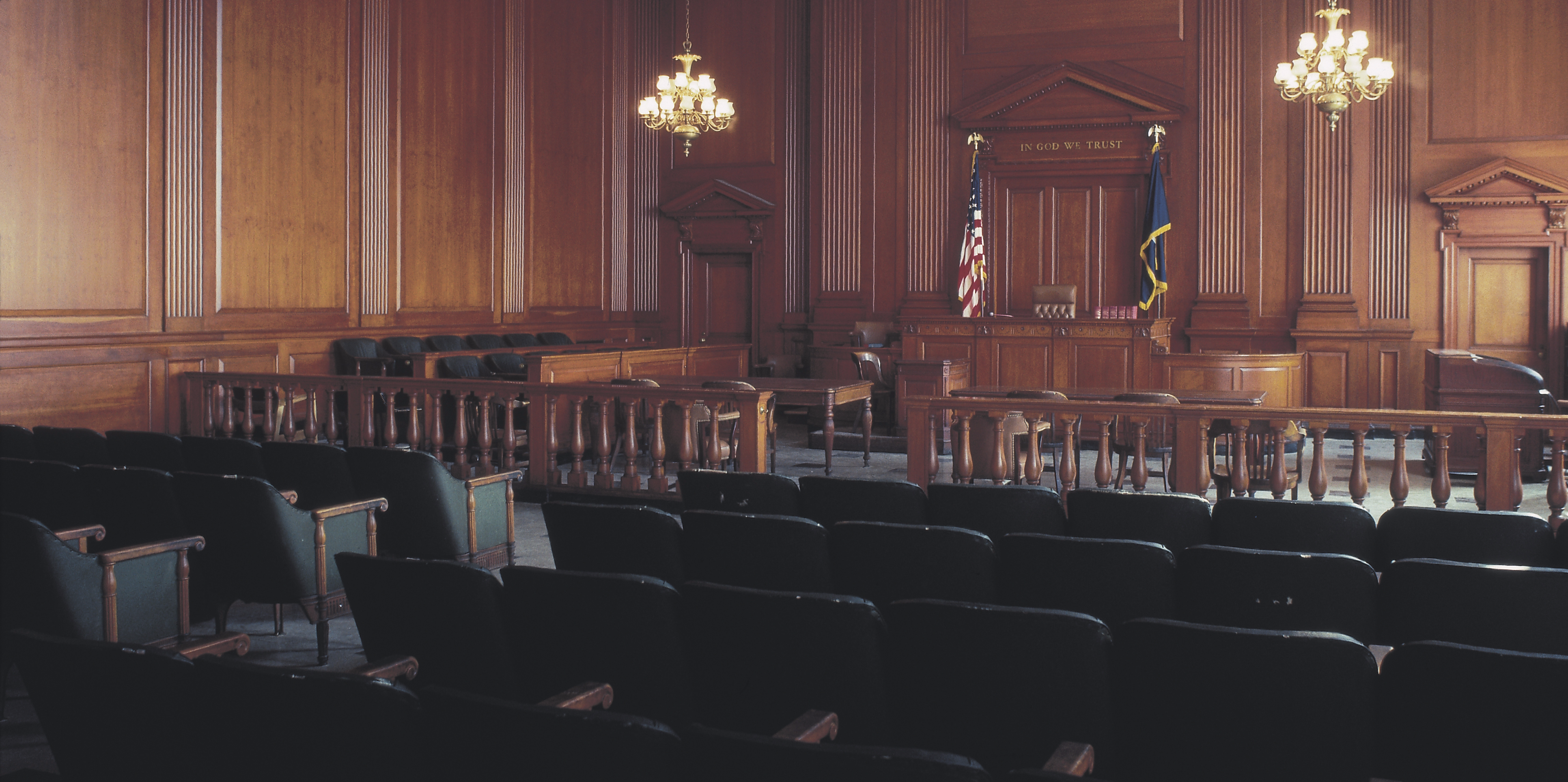
The legal requirements for utilizing video in court typically include adherence to policies of evidence, proper verification, ensuring importance, and conformity with administrative guidelines. These variables assure the stability and integrity of the video proof offered.
Just how Do I Pick a Lawful Video Provider?
Choosing a legal video company involves reviewing experience, modern technology, and credibility. Consider aspects such as certification, customer reviews, and schedule to assure the copyright meets certain legal demands and improves court performance.
Comments on “Expert legal video: Post-production tips for maximum impact”